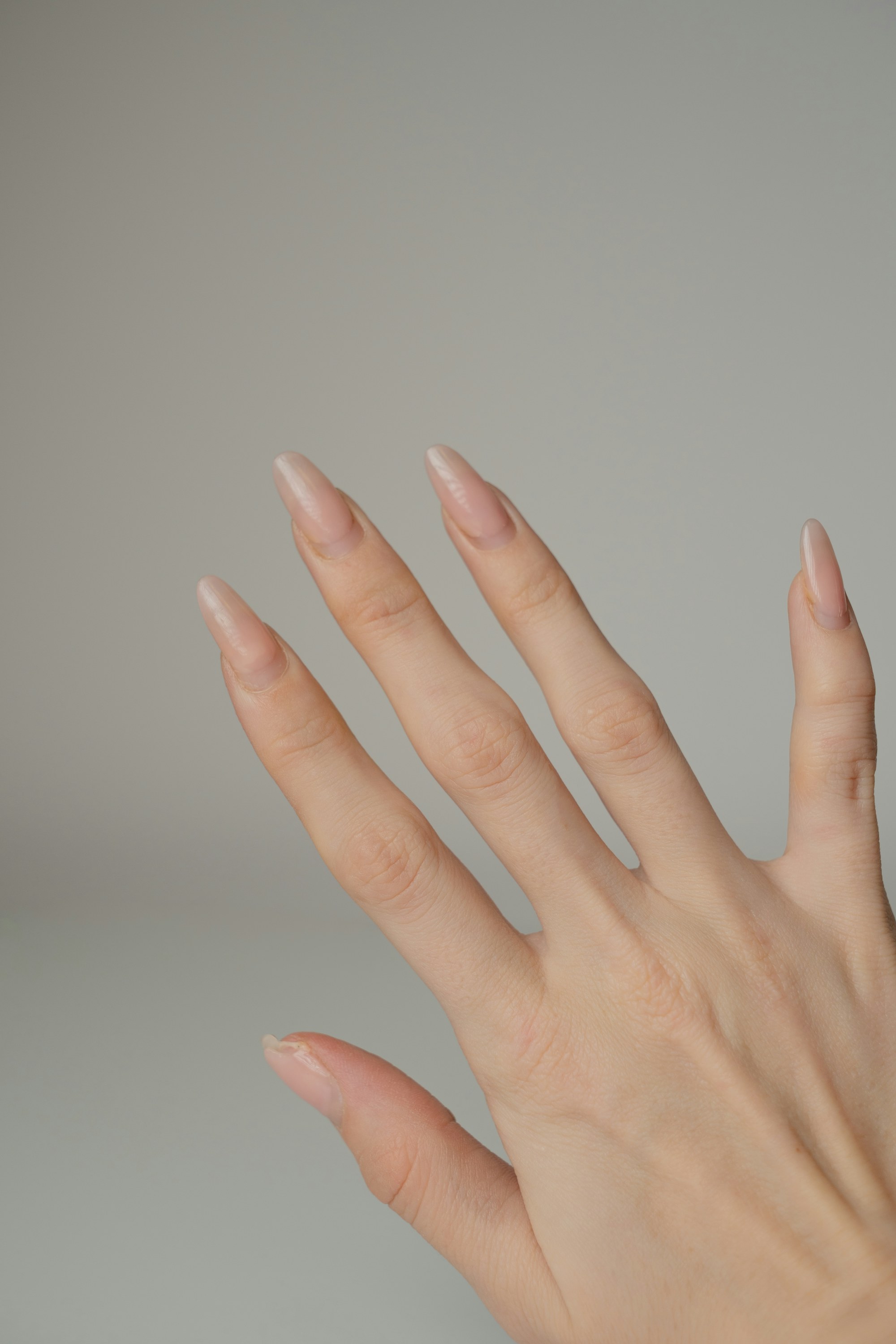
How to make your BIAB last: aftercare and infills
A few simple habits keep BIAB strong and glossy until your next appointment. Here is my aftercare advice, and how to know when it is time for an infill.
2 min read By Laila

BIAB is strong, but it is not invincible. How you treat your nails in the first day or two, and the weeks after, makes a real difference to how long a set looks its best. None of this is complicated.
The first 24 hours
BIAB is fully cured under the lamp before you leave, so it is hard straight away. Even so, I’d go easy on very hot water, like long baths or washing up without gloves, for the rest of the day. Your skin around the nails has had a thorough manicure and will thank you for a little rest.
Every day
- Use cuticle oil. Once a day, around the base of every nail. It keeps the skin soft and helps the product stay flexible.
- Wear gloves for cleaning, washing up and gardening. Chemicals and long soaks are what lift a set early.
- Don’t use your nails as tools. Opening cans, scraping labels and prising lids are how a strong nail still breaks.
- Moisturise your hands, especially through a Yorkshire winter, when cold air dries skin out fast.
When to book your infill
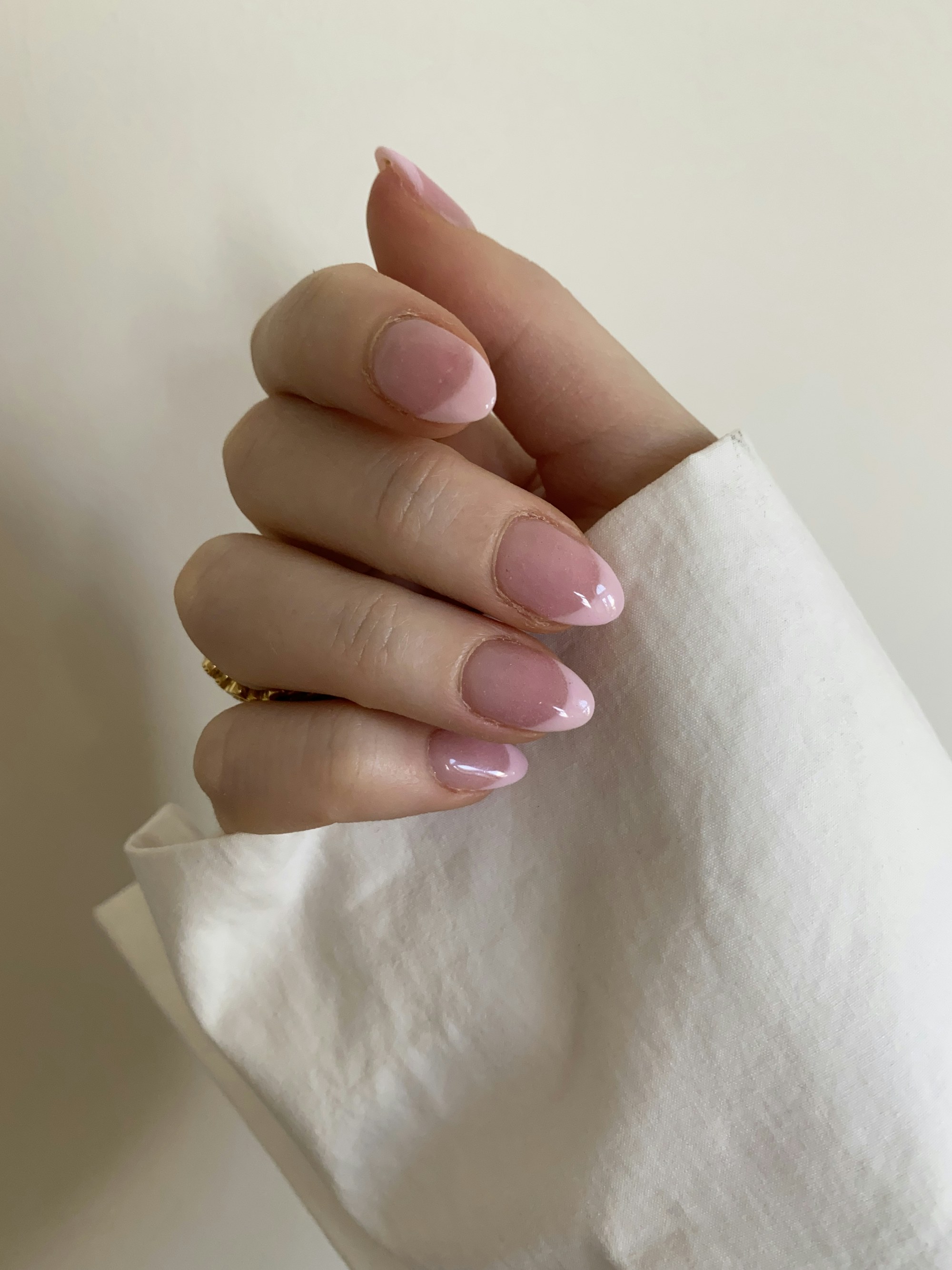
Most people come back every three to four weeks. As your nails grow, a gap appears at the base and the weight of the nail moves forward, which is when a nail is most likely to snap. An infill fills that gap and rebalances the nail, so you keep the strength without starting again.
It is time to book if you can see a clear line of regrowth at the base, if an edge has started to lift, or if your nails feel longer and heavier than you like.
What not to do
Please don’t pick or peel BIAB off, however tempting a lifted corner is. Peeling takes the top layers of your natural nail with it, and that is how nails end up thin and sore. If something lifts or breaks, get in touch and I’ll fix it properly.
Thinking of trying BIAB for the first time? I’ve explained how it compares with hard gel in BIAB or hard gel: which is right for your nails?